

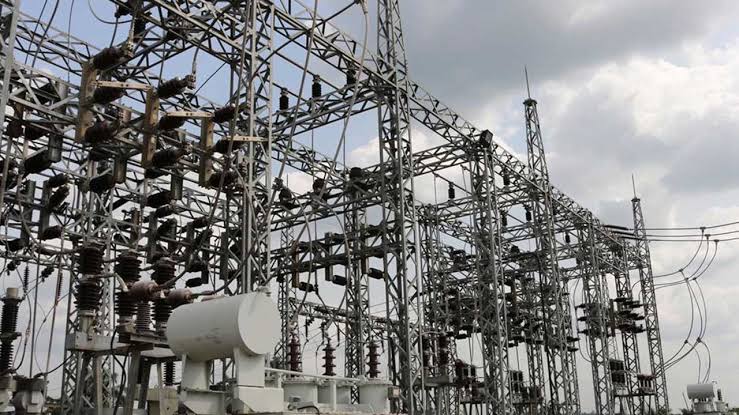
ABUJA, Nigeria – Significant parts of Nigeria were thrown into a total blackout on Monday, December 29, 2025, following a massive failure of the national electricity grid. This latest collapse, occurring in the final days of the year, has once again exposed the deep-seated vulnerabilities within the country’s power infrastructure.
Data released by the Nigerian Independent System Operator (NISO) confirmed that at approximately 2:01 PM (WAT), power generation plummeted from over 2,052 MW to just 139.92 MW within a single hour. By 3:12 PM, total electricity distributed across the country fell to a staggering 50 MW, leaving the vast majority of the nation without power.
The impact of the collapse has been felt nationwide, with nine out of eleven Distribution Companies (DisCos) recording zero load allocation. Major industrial and commercial hubs, including Lagos, Kano, and Port Harcourt, have reported a total blackout. While limited allocations of 30 MW and 20 MW were recorded for the Ibadan and Abuja DisCos respectively, the rest of the country’s distribution networks remain completely offline. This incident comes as a significant blow to citizens and businesses already grappling with the economic pressures of the holiday season.As of Monday evening, neither the Transmission Company of Nigeria (TCN) nor the Federal Ministry of Power has issued an official statement regarding the specific technical cause of this failure.
The collapse is particularly frustrating for stakeholders as it follows recent claims by NISO of “notable improvements” after repairs to the Lagos-Escravos-Lagos gas supply line.
Restoration efforts are currently underway, with the Nigerian National Grid (NNG) stating that generation plants are being gradually re-synced to the system. However, a definitive timeline for full restoration remains uncertain. The blackout has caused immediate disruptions to essential services and manufacturing sectors, forcing a reliance on expensive diesel generators. This recurring instability continues to be a major hurdle for Nigeria’s economic growth, highlighting the urgent need for consistent investment and structural reforms to stabilize the nation’s energy supply.As of Monday evening, December 29, 2025, neither the Transmission Company of Nigeria (TCN) nor the Federal Ministry of Power has released a definitive statement identifying the specific technical trigger for today’s collapse. However, the Nigerian Independent System Operator (NISO) has confirmed via its official social media channels that restoration is currently underway, noting that total grid output had slowly begun to rise from near zero to approximately 50 MW.


