

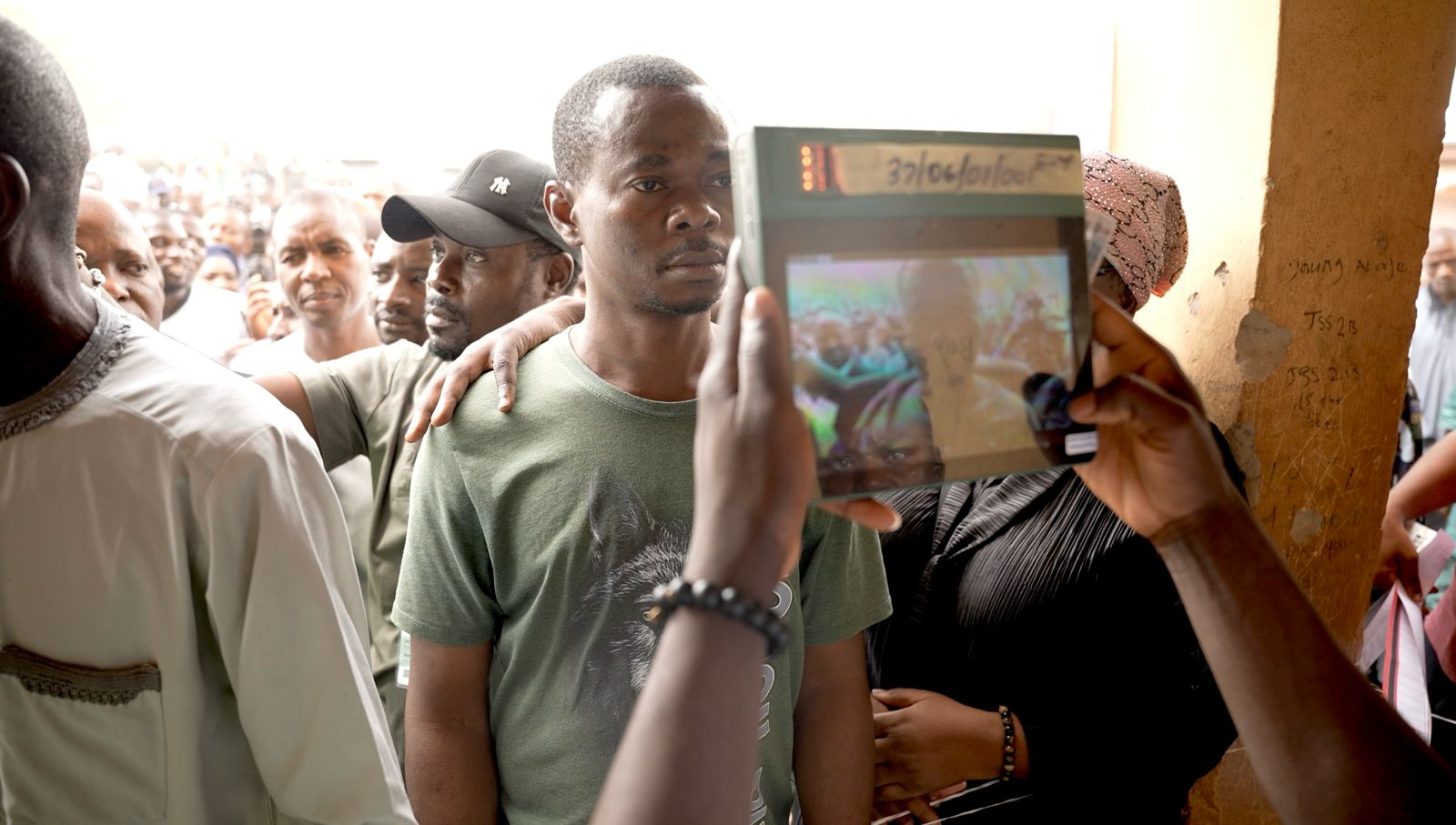
A coalition of civil society organisations (CSOs) accredited by the Independent National Electoral Commission (INEC) has said the February 21, 2026 Federal Capital Territory (FCT) Area Council elections were largely peaceful but did not meet international standards of credibility and integrity.
The election was held across the six area councils of Abuja — Abaji, Abuja Municipal Area Council (AMAC), Bwari, Gwagwalada, Kuje, and Kwali — where voters elected six chairpersons and 62 councillors, making a total of 68 seats. INEC figures showed that over 1.68 million people registered to vote and about 1.58 million collected their Permanent Voter Cards, but turnout on election day was very low, especially in urban areas.
The Observers said many polling units recorded only a handful of voters even hours after voting started. In Gwarimpa, only 18 voters were recorded by late morning at two polling units, while in Kuje only 69 out of 770 registered voters turned out in one polling unit. The coalition said the low turnout suggested voter apathy and frustration with the political process.
The observers also reported that INEC officials generally arrived early and voting started in most places between 8:30am and 10am. They commended the officials for using the BVAS machines properly, although some ad-hoc staff were not fully familiar with documentation procedures.
Security agents were present in most polling units and arrived early, and their coordination was commended. However, the coalition raised concerns about the presence of armed vigilantes in some parts of Abuja and alleged intimidation of voters by heavily armed security patrols in AMAC. They also noted that some security personnel complained about not receiving their allowances.
Furthermore, the coalition reported serious incidents during the election, including a case in Gwagwa where armed police officers allegedly stormed a polling unit and removed election materials, and an ADC party agent was reportedly beaten to death. In AMAC, a voter was said to have been attacked for voting for the PDP, and some accredited observers were reportedly arrested and detained.
Vote buying was also widely reported. Observers said political party agents were seen offering voters money, sometimes ₦2,000 or more, in different locations across the FCT. The coalition alleged that the APC was involved in voter inducement in several polling units.
There were also complaints about confusion caused by newly created polling units. Some voters were unable to locate their polling units or find their names on the register due to poor voter education, and many reportedly left without voting.
The observers concluded that although the election was peaceful, it lacked credibility because of vote buying, voter intimidation, low turnout and administrative lapses, therefore doesn’t meet international standard. They called for improvements to the electoral system, better voter education, and stronger protection of voters’ rights.
The coalition also urged political parties and supporters who are dissatisfied with the outcome of the election to seek redress through legal means rather than violence. They stressed that free, fair and transparent elections remain essential for Nigeria’s democracy and called on authorities to take urgent steps to restore public confidence ahead of future elections, including the 2027 general elections.


0ku7u5