

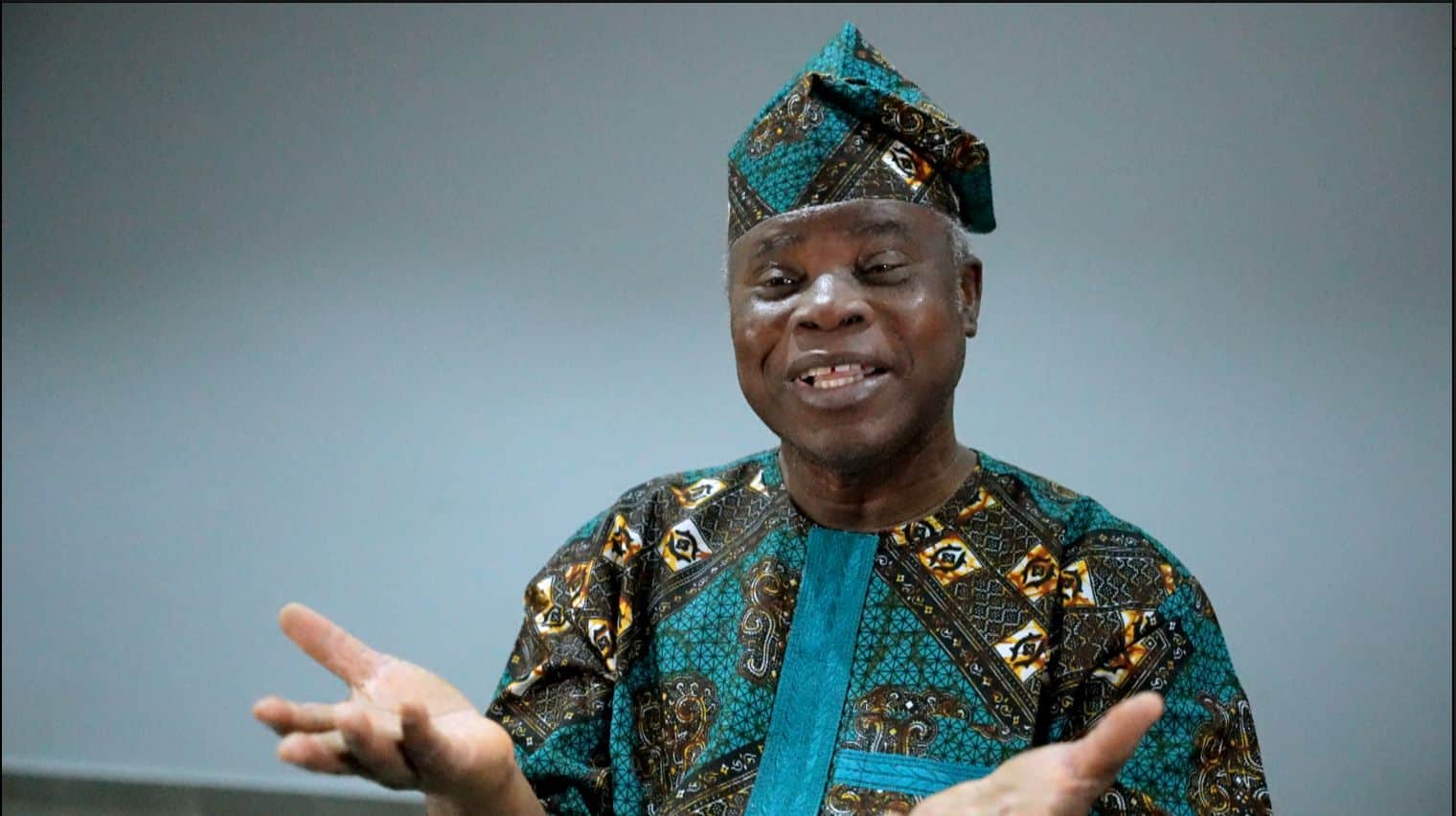
Public affairs analyst and retired federal civil servant, Dr. Akin Fapounda, has raised serious concerns about the credibility of Nigeria’s 2027 general elections, warning that the process cnmmmmould be dominated by money, political influence and intimidation rather than the true will of the people.
Speaking during an interview on Naija Unfiltered on Symfoni TV, Fapounda argued that the current political structure in the country makes it easier for powerful politicians to influence election outcomes.
According to him, the growing concentration of political power and financial resources among governors and ruling party leaders could heavily shape the electoral process.
“Might will be right. Whoever has might will win,” he said, stressing that political power, access to public funds and control of state institutions could determine the eventual winner.
Vote Buying May Worsen
Fapounda warned that worsening economic conditions could make vote-buying more widespread in future elections.
He noted that as citizens struggle with rising living costs, many voters may be tempted to accept money from politicians during elections.
The analyst predicted that vote-buying could increase significantly, with some voters receiving as much as ₦20,000 to ₦50,000 in exchange for their votes.
According to him, desperate economic conditions often weaken electoral integrity because financially struggling voters may prioritize immediate survival over long-term governance decisions.
Governors’ Influence Raises Concerns
Fapounda also pointed to the increasing influence of state governors within Nigeria’s political system. He argued that the large financial allocations available to state governments could be used to influence political outcomes.
With many governors belonging to the same political bloc, he suggested that coordinated political strategies backed by state resources could give certain parties a major advantage in national elections.
He warned that such dominance could weaken democratic competition and make it difficult for opposition parties to compete on equal footing.
Calls for Political Reforms
Beyond the elections themselves, the analyst stressed that Nigeria’s deeper political problems stem from structural issues within the country’s governance system.
He argued that without major reforms to the political structure, elections alone may not produce meaningful change.
Fapounda advocated for broader reforms that would decentralize power and create a more balanced political system where citizens have stronger influence over governance.
Concerns Over Electoral Credibility
The analyst’s comments add to growing debates about the credibility of future elections in Nigeria. Civil society groups and political observers have repeatedly called for stronger electoral reforms, improved transparency and stricter enforcement of election laws.


