

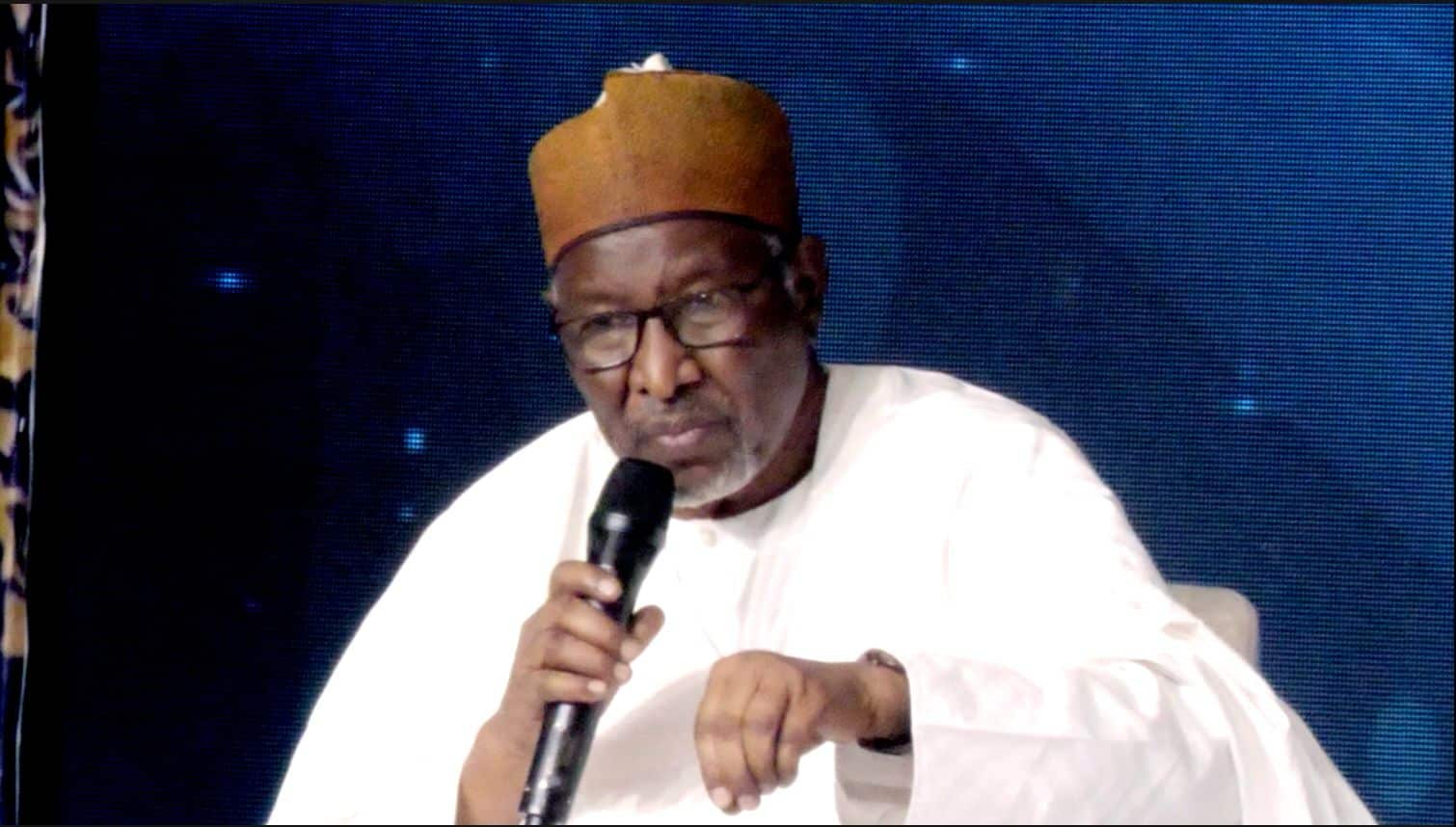
Professor Usman Bugaje has explained that leadership positions within the African Democratic Congress (ADC) are guided by strict standards of suitability rather than mere constitutional eligibility, describing the approach as essential for rescuing Nigeria’s democracy from continued decline.
Speaking at a public forum on governance and democratic development, Bugaje said Nigeria’s major challenge is not the absence of elections but the absence of credible leadership standards within political parties.
According to him, the Nigerian Constitution only outlines eligibility requirements for public office, such as age and educational qualifications, but does not address whether a person is morally, intellectually, or professionally fit to lead.
“What the constitution provides is eligibility, not suitability,” Bugaje said. “If you confuse the two, you open the door for people without character, competence, or courage to occupy leadership positions.”
Bugaje noted that the ADC has deliberately adopted additional internal criteria to ensure that individuals seeking leadership roles on the party’s platform meet higher standards beyond legal minimums.
He explained that ADC’s leadership screening focuses on character, competence, and courage, stressing that the courage of conviction — the ability to do the right thing despite pressure — is particularly critical.
“In ADC, leadership is not about entitlement, turn-taking, or personal ambition,” he said. “It is about service, integrity, and capacity to govern.”
The professor criticised Nigeria’s prevailing political culture, where power is often pursued based on ethnic sentiment or claims of “it is my turn,” rather than a shared national vision.
He warned that such politics has weakened democratic institutions, allowed unqualified individuals into office, and deepened public distrust in governance.
Bugaje further argued that political parties must take responsibility for reforming democracy by enforcing leadership standards internally, noting that electoral reforms alone would not solve Nigeria’s problems.
According to him, parties that lack ideological direction and internal discipline cannot produce leaders capable of addressing Nigeria’s worsening insecurity, poverty, and governance failures.
Looking ahead, Bugaje cautioned that Nigeria’s rapidly growing population — projected to exceed 400 million in the next 25 years — demands visionary and competent leadership more than ever before.
He said the focus of national politics should shift toward how to feed, educate, house, and provide healthcare for the growing population, rather than endless ethnic calculations.
Bugaje concluded by urging Nigerians to support political platforms that prioritise knowledge, competence, and ethical leadership, stressing that without suitability standards, democracy will continue to fail.
“In the 21st century, knowledge is capital,” he said, adding that only credible leadership can secure Nigeria’s future.


