

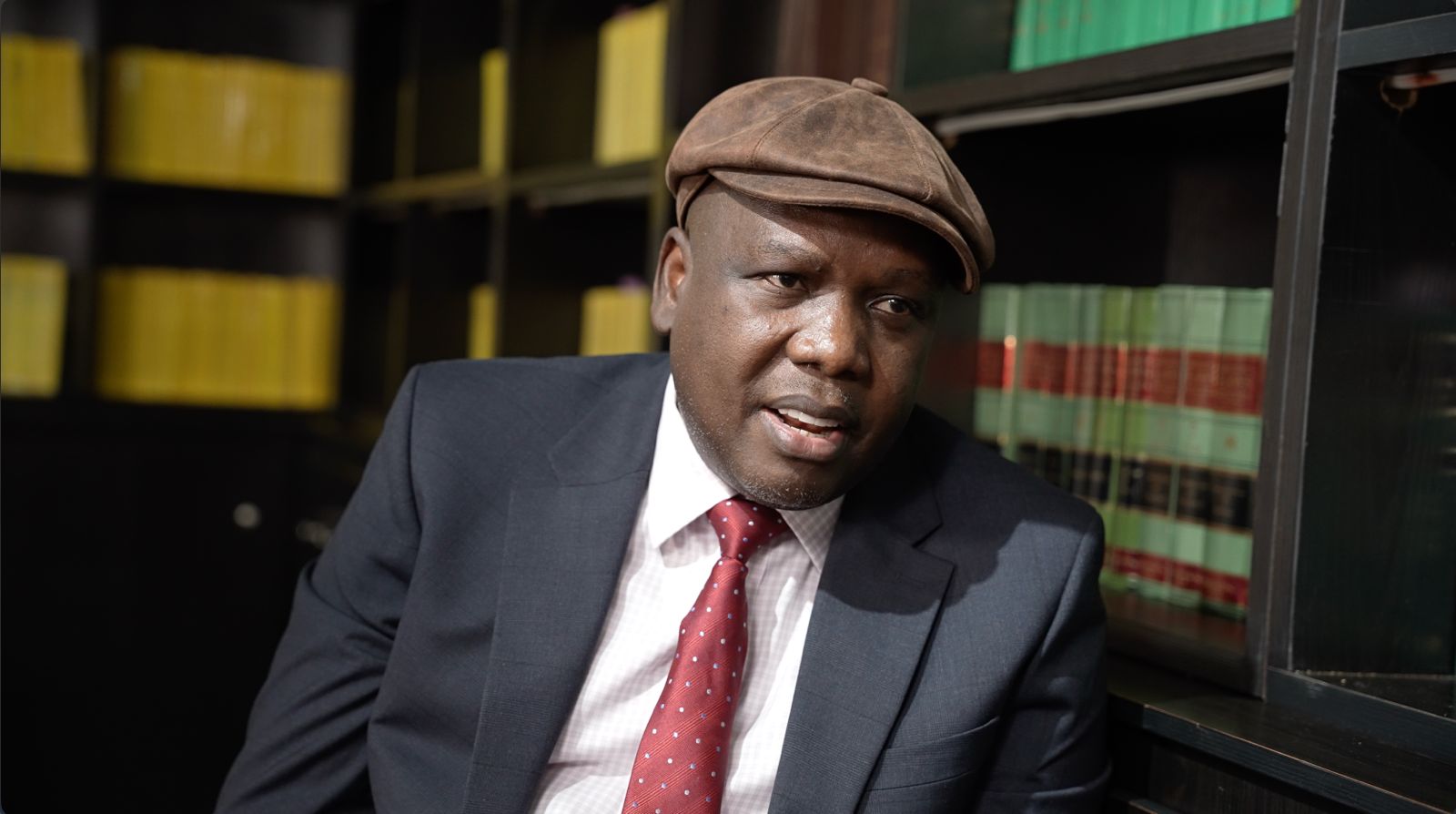
Daniel Bwala, a presidential aide and public affairs commentator, has stated that President Bola Ahmed Tinubu has forgiven him for his past criticisms, insisting that he does not owe Nigerians an apology for the remarks he made while he was in the opposition.
Bwala made the statement during an interview on Naija Unfiltered, a symfoni podcast, where he addressed controversies surrounding his earlier comments about Tinubu before joining the current administration.
According to him, political criticism during election periods should not be mistaken for personal attacks, stressing that opposition politics naturally involves challenging those in government.
He said that President Tinubu had already moved past the issue, noting that the Nigerian leader understood the nature of political contestation.
Bwala explained that during the period when he made several critical statements about Tinubu, he was aligned with the opposition and was performing what he described as the expected role of an opposition figure.
The presidential aide maintained that such criticisms are common in democratic systems, where political actors often hold differing views while competing for power.
He said politics is dynamic and that individuals can change positions as circumstances evolve, particularly after elections when governance becomes the primary focus.
Bwala further argued that public discourse during elections often involves strong language and intense debate, adding that such exchanges should not necessarily be interpreted as personal hostility.

Addressing calls from critics who believe he should apologize to Nigerians for his past remarks, Bwala dismissed the demand, saying he had no reason to apologize because his comments were made within the context of political opposition.
He maintained that political actors must be free to express dissenting views during campaigns without being permanently judged for those statements after political alignments shift.
The discussion also touched on the broader nature of Nigerian politics, where alliances and loyalties sometimes change following electoral contests.
Bwala noted that the ability of political leaders to reconcile after intense campaigns is a sign of political maturity and a necessary feature of democratic governance.
He emphasized that the focus should now be on governance and national development rather than revisiting campaign rhetoric.
Related Trends: https://symfoninews.com/
The remarks have generated mixed reactions in political circles and on social media, with some observers defending his position while others insist that public figures should be accountable for statements made during political campaigns.
Bwala, however, reiterated that his relationship with President Tinubu remains cordial and that the issue of his past criticisms has already been resolved between them.
He concluded that political debates during elections should be understood within their proper context and should not overshadow efforts to work together for national progress after the polls.


