

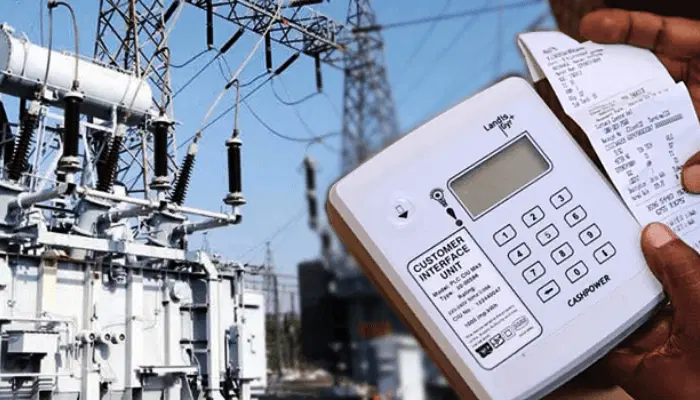
The Federal Government has announced plans to stop carrying electricity subsidy costs alone, saying the burden will be shared among the federal, state, and local governments from 2026.
The Director-General of the Budget Office of the Federation, Tanimu Yakubu, disclosed this on Monday in Abuja during a workshop on the 2026 budget preparation process for ministries, departments, and agencies.
Yakubu said President Bola Tinubu has directed that electricity subsidies must be made clear, properly tracked, and fairly shared across all tiers of government to avoid hidden debts and repeated crises in the power sector.
He explained that when electricity tariffs are kept below the actual cost of supply, the difference becomes a subsidy that must be paid by someone.
“If we want a stable power sector, we must pay for the choices we make,” Yakubu said, stressing that subsidies are real financial obligations, not free services.

RELATED TRENDS:
Snake Bite: Pharmacists Urge FG to Make Antivenom Free Nationwide After Singer’s Death
APC Unveils 73-Member Committee Ahead of March National Convention
LP Crisis: Abure Faction Rejects Otti’s Reconciliation Call
FG Begins Accreditation to Appoint Five New Permanent Secretaries
According to him, from 2026 the Federal Government will no longer treat electricity subsidies as an open-ended responsibility, especially when policy decisions and political benefits are shared across different levels of government.
Yakubu added that the existing electricity laws would be used to ensure subsidy sharing is transparent, practical, and enforceable, so unpaid bills do not return as debts or liquidity problems in the power market.
He noted that the policy is not meant to punish any level of government but to encourage efficiency, cost-reflective pricing, and targeted support for vulnerable citizens.
The Budget Office chief also said MDAs must clearly reflect subsidy-related costs in their 2026 budget proposals and avoid pushing unfunded obligations into the electricity sector.
Beyond power subsidies, Yakubu said the 2026 Budget would end rollover budgeting and scattered project lists, replacing them with a single, coordinated implementation framework to improve accountability and delivery.
He described the new approach as a “single-train” framework that will help government track commitments, reduce duplication, and focus on fewer but well-funded projects.
Yakubu further revealed that President Tinubu has ordered a review of the Fiscal Responsibility framework to strengthen fiscal rules, improve compliance, and better manage debt and contingent liabilities.
He said the 2026 Budget would focus on delivery-ready projects, insisting that citizens feel development through completed roads, reliable electricity, functional schools, and working hospitals.
The workshop, he said, is aimed at aligning MDAs with the new budget standards and ensuring better planning, financing, and results in the 2026 fiscal year.
Meanwhile, recent data from the Nigerian Electricity Regulatory Commission showed that the Federal Government incurred about N1.98 trillion in electricity subsidy obligations between October 2024 and September 2025, amid over N4 trillion owed to power generation companies.
FOLLOW US ON X @ Symfoni (@SymfoniNews) / Posts / …X · SymfoniNews1K+ followers


Comments 1