

The National Chairman of the Inter-Party Advisory Council (IPAC), Yusuf Mamman Dantalle, has warned that the recently enacted Electoral Act 2026 could weaken Nigeria’s democracy and threaten the credibility of the 2027 general elections if urgent reforms are not made.
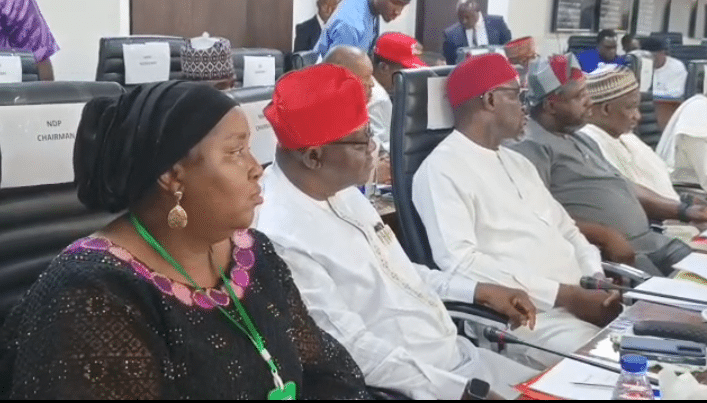
Dantalle made the remarks on Tuesday during a meeting between leaders of political parties and the Independent National Electoral Commission in Abuja.
Speaking on behalf of political parties in the country, the IPAC chairman said the Electoral Act 2026 failed to reflect the expectations of Nigerians who participated in public hearings on electoral reforms.
According to him, instead of strengthening democracy, the new law represents a major setback that could undermine confidence in the electoral system.
He noted that the electoral timetable already released by INEC for the 2027 general elections was based on the controversial law, a situation he said has placed pressure on political parties, especially those outside government.
Dantalle therefore called on the National Assembly to urgently revisit and amend the Electoral Act 2026 in the interest of credible elections.
One of the major concerns raised by IPAC is the provision making direct primaries compulsory for political parties when selecting their candidates.
The IPAC chairman argued that the method of selecting candidates should remain the internal decision of political parties, warning that legislative interference could create unnecessary difficulties for the parties.
He also criticised the requirement that political parties must submit their membership registers, including members’ National Identification Numbers (NIN), within a short period between April 1 and April 21, 2026.

According to him, the policy could exclude millions of Nigerians who do not yet have access to NIN registration facilities, thereby undermining inclusive political participation.
Dantalle further urged electoral authorities to restore full electronic transmission of results after collation at polling units, describing it as a key demand of Nigerians seeking transparent elections.

He said election results should be transmitted to the INEC Result Viewing Portal immediately after they are announced at polling units to avoid controversies similar to those witnessed during the 2023 presidential election.
The IPAC chairman also expressed concern that the Electoral Act 2026 appears to weaken penalties for vote buying, an offence widely blamed for undermining Nigeria’s elections.
To address the issue, he renewed the call for the establishment of an Electoral Offences Commission that would prosecute offenders and strengthen accountability in the electoral process.
Dantalle said IPAC has already appealed to lawmakers to urgently repeal or amend the Electoral Act 2026 to ensure credible and transparent elections in the country.
He added that development partners and the international community should also support efforts aimed at protecting Nigeria’s democracy.
According to him, restoring public trust in the electoral system is critical to addressing voter apathy and strengthening democratic governance.
The IPAC chairman also urged INEC to demonstrate professionalism and technological efficiency in the forthcoming governorship elections in Ekiti and Osun states.
He stressed that the deployment of the Bimodal Voter Accreditation System and the INEC Result Viewing Portal must be flawless to ensure that every vote counts.
Dantalle reaffirmed the commitment of IPAC, as the umbrella body of all registered political parties, to promoting credible elections, political stability and democratic development in Nigeria.Headline: IPAC Slams Electoral Act 2026, Warns It Could Undermine 2027 Elections
Focus Keyword: Electoral Act 2026
Meta Description: IPAC Chairman Yusuf Mamman Dantalle says the Electoral Act 2026 could undermine the 2027 elections, urging the National Assembly to urgently amend the law and restore electronic transmission of results.
The National Chairman of the Inter-Party Advisory Council, Yusuf Mamman Dantalle, has warned that the recently enacted Electoral Act 2026 could weaken Nigeria’s democracy and threaten the credibility of the 2027 general elections if urgent reforms are not made.
Dantalle made the remarks on Tuesday during a meeting between leaders of political parties and the Independent National Electoral Commission in Abuja.
Speaking on behalf of political parties in the country, the IPAC chairman said the Electoral Act 2026 failed to reflect the expectations of Nigerians who participated in public hearings on electoral reforms.
According to him, instead of strengthening democracy, the new law represents a major setback that could undermine confidence in the electoral system.
He noted that the electoral timetable already released by INEC for the 2027 general elections was based on the controversial law, a situation he said has placed pressure on political parties, especially those outside government.
Dantalle therefore called on the National Assembly to urgently revisit and amend the Electoral Act 2026 in the interest of credible elections.
One of the major concerns raised by IPAC is the provision making direct primaries compulsory for political parties when selecting their candidates.
The IPAC chairman argued that the method of selecting candidates should remain the internal decision of political parties, warning that legislative interference could create unnecessary difficulties for the parties.
He also criticised the requirement that political parties must submit their membership registers, including members’ National Identification Numbers (NIN), within a short period between April 1 and April 21, 2026.
According to him, the policy could exclude millions of Nigerians who do not yet have access to NIN registration facilities, thereby undermining inclusive political participation.
Dantalle further urged electoral authorities to restore full electronic transmission of results after collation at polling units, describing it as a key demand of Nigerians seeking transparent elections.
He said election results should be transmitted to the INEC Result Viewing Portal immediately after they are announced at polling units to avoid controversies similar to those witnessed during the 2023 presidential election.
The IPAC chairman also expressed concern that the Electoral Act 2026 appears to weaken penalties for vote buying, an offence widely blamed for undermining Nigeria’s elections.
To address the issue, he renewed the call for the establishment of an Electoral Offences Commission that would prosecute offenders and strengthen accountability in the electoral process.
Dantalle said IPAC has already appealed to lawmakers to urgently repeal or amend the Electoral Act 2026 to ensure credible and transparent elections in the country.
He added that development partners and the international community should also support efforts aimed at protecting Nigeria’s democracy.
According to him, restoring public trust in the electoral system is critical to addressing voter apathy and strengthening democratic governance.
The IPAC chairman also urged INEC to demonstrate professionalism and technological efficiency in the forthcoming governorship elections in Ekiti and Osun states.
He stressed that the deployment of the Bimodal Voter Accreditation System and the INEC Result Viewing Portal must be flawless to ensure that every vote counts.
Dantalle reaffirmed the commitment of IPAC, as the umbrella body of all registered political parties, to promoting credible elections, political stability and democratic development in Nigeria.


