

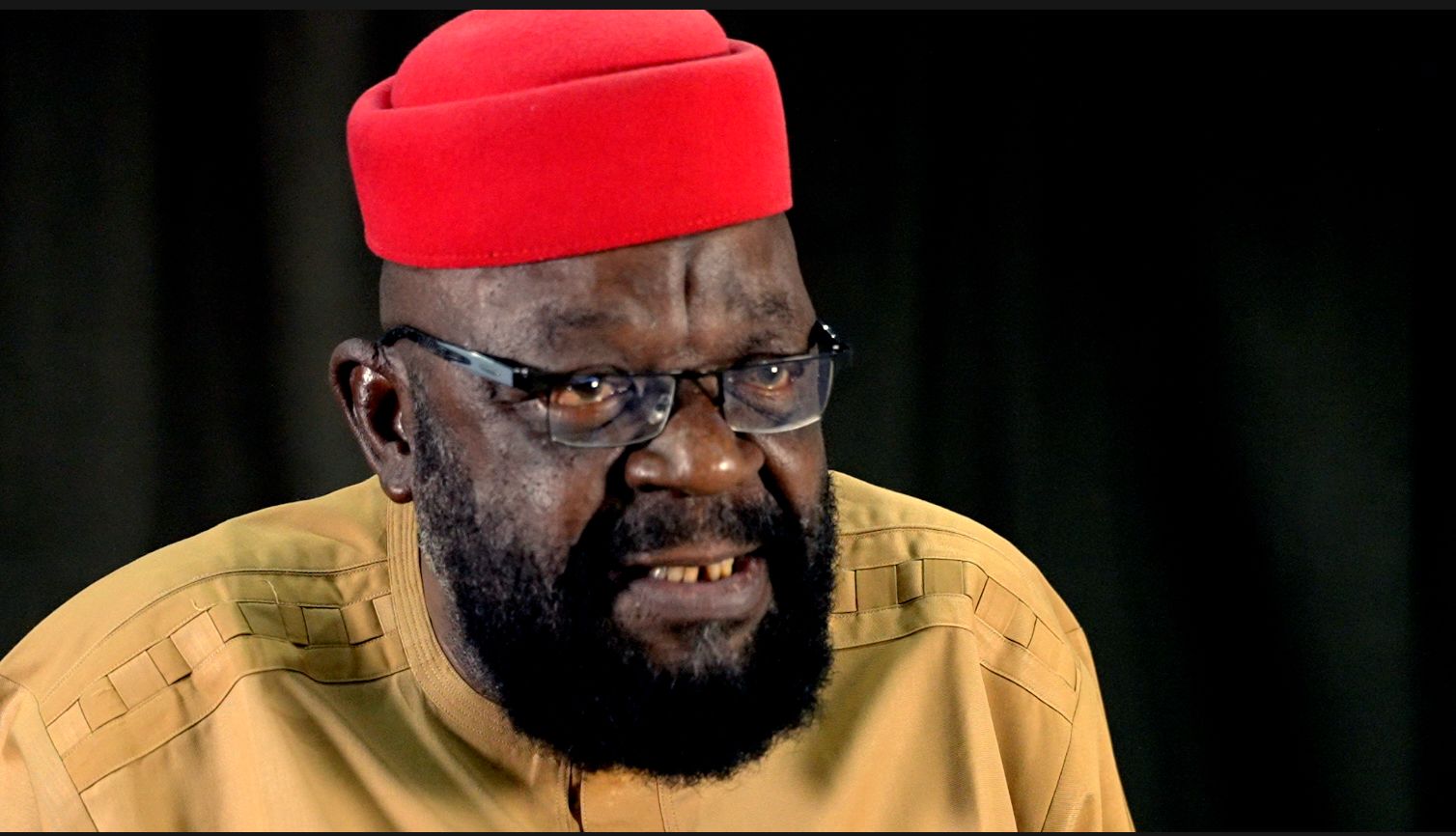
Bar Aloy Ejimakor, speaking on Naija Unfiltered by Symfoni, has once again defended Nnamdi Kanu, emphasizing that the “bone of contention” has never been terrorism or treason, but the agitation for a separate state. According to Ejimakor, Kanu has consistently maintained that if the Nigerian government treats his people fairly, they are content to remain part of the federation.
“The agitation is a means to an end,” Ejimakor stated. “If you don’t treat us equally as Nigerians, then you let us go and have a separate state. That’s self-determination. There is nothing wrong with that.”
Ejimakor, who served as lead counsel for Kanu in 2024–2025, described his experience handling the case as “fulfilling” but fraught with challenges due to aggressive prosecution. He recounted filing for the restoration of Kanu’s bail, citing Supreme Court rulings which condemned the revocation as unfair and partially biased.
He noted that judicial processes were repeatedly obstructed, including challenges to the Federal High Court’s jurisdiction over alleged offenses broadcast from abroad. Despite these legal maneuvers, Ejimakor explained, the prosecution’s relentlessness and “attritional approach” often overwhelmed the system.
“Judiciary can make mistakes, and in this case, both the conviction and sentencing were clearly wrong,” he said, adding that prior judgments ordering the government to apologize and compensate Kanu were ignored. “The federal government never apologized. Instead, they intensified prosecutions and amended charges from treasonable felony to incitement of terror.”
Ejimakor drew parallels between Kanu’s case and historical examples of politically charged trials, including Nelson Mandela, Mahatma Gandhi, and Martin Luther King Jr., noting that political solutions, rather than judicial resolutions, were often the only way forward.
Highlighting the solidarity from the Igbo community, Ejimakor praised leaders, youths, and notable figures who continue to rally around Kanu despite restricted access due to his relocation to Sokoto.

“EOs will never abandon him. They stand by their own in distress,” he emphasized. He also commended the restraint of the community, noting that unlike historical precedents such as Aulo’s conviction in the 1960s, current tensions have not escalated into widespread unrest.
On the prospect of political resolution, Ejimakor was optimistic: “The government needs to release him as soon as possible. The best way to show regret is not always by saying sorry, but by reconsidering your conduct and ensuring justice is done.”
In conclusion, he reiterated that the central issue remains justice and fair treatment for all Nigerians, warning that ignoring legitimate grievances will inevitably fuel demands for self-determination.


