

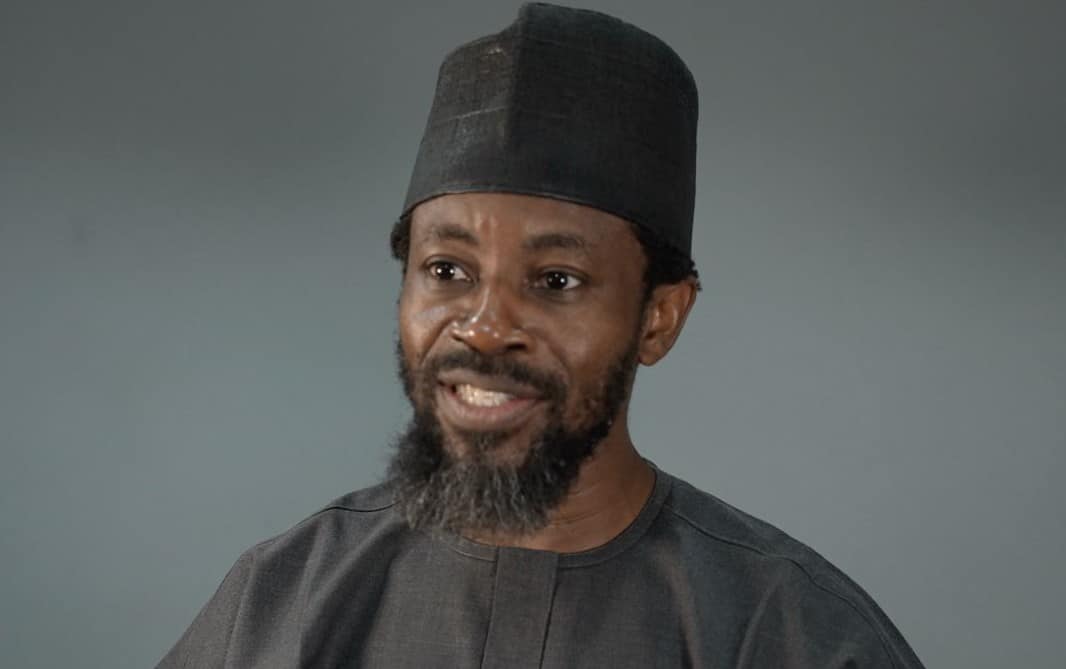
Chairmanship candidate of the African Democratic Congress (ADC) for the Abuja Municipal Area Council (AMAC), Dr. Moses Paul, has expressed strong confidence in Peter Obi’s chances of clinching the ADC presidential ticket, insisting the former Anambra governor will “do everything right” to take power.
Speaking on Naija Unfiltered by Symfoni, Dr. Paul described the ADC as a party driven by clarity, inclusion, and progress, arguing that when the time comes, the party will choose a candidate with the greatest capacity and consistency for leadership. According to him, Obi fits that description and stands a “very big chance” amongst other contenders of the ticket.
Reacting to criticisms that Peter Obi is too “gentle” to confront the ruling APC’s aggressive political machinery, Dr. Paul rejected the notion, describing Obi as mentally and physically strong, resolute, and battle-ready. He stressed that power and strength are not the same, adding that Obi has evolved politically and understands what it takes to win.
The ADC candidate also addressed criticisms of the Obidient Movement, insisting its youthful energy remains valid and necessary in a country where many young people feel excluded, impoverished, and forced to migrate abroad. He argued that asking Nigerian youths to “calm down” ignores the depth of frustration caused by years of governance failure.
Turning to local governance, Dr. Paul sharply distinguished the responsibilities of the FCT Minister from those of the AMAC chairman, arguing that while the minister handles large infrastructure and policy direction, primary education, healthcare, sanitation, waste management, markets, and rural roads fall squarely under the area council. He said the absence of effective local leadership has wrongly shifted public expectations to the FCT minister.
He described AMAC as effectively non-functional, citing poor waste management, impassable rural roads, unpaid salaries, insecurity, multiple taxation, and widespread neglect of primary schools and health centres.
According to him, children sitting on classroom floors and the lack of basic sanitation facilities are failures of local governance, not the FCT ministry. Dr. Paul identified education, primary healthcare, and rural road infrastructure as his top campaign priorities, arguing that without fixing these foundational sectors, Abuja’s shiny city centre would continue to mask deep poverty and neglect in its suburbs.
On funding and political alignment with the FCT administration, he expressed confidence in his ability to negotiate, leverage institutional partnerships, and attract funding, insisting that leadership anchored on results and service naturally opens doors.
He also pledged to stand firmly with residents affected by demolitions, land seizures, and reallocations, promising to give governance a “human face” through negotiation and lawful engagement if elected.


