

Fuel prices could decline globally after the United States agreed to suspend planned bombing attacks on Iran for two weeks following a temporary ceasefire deal between the two countries.
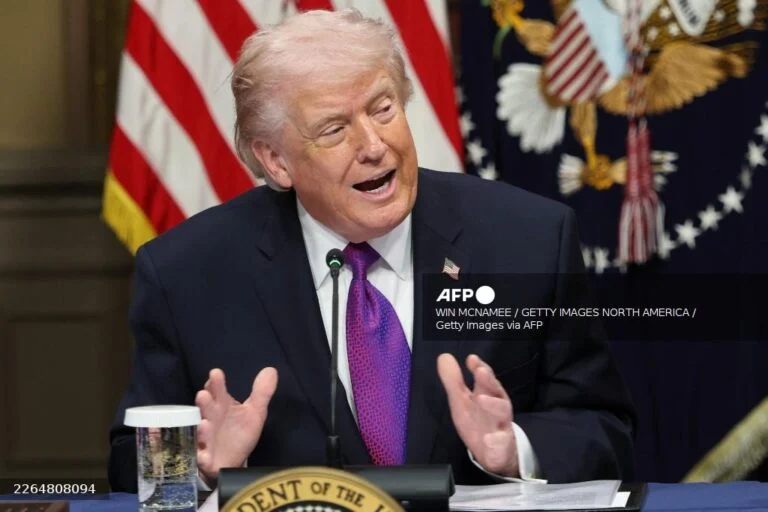
The announcement was made by US President Donald Trump, who said Washington would halt military strikes if Tehran allows the complete and safe reopening of the strategic Strait of Hormuz for international shipping.
“Subject to the Islamic Republic of Iran agreeing to the complete, immediate, and safe opening of the Strait of Hormuz, I agree to suspend the bombing and attack of Iran for a period of two weeks,” Trump said in a statement posted shortly before a deadline for potential military escalation.
He described the move as a “double-sided ceasefire,” adding that the United States has already met major military objectives and is close to reaching a long-term peace agreement with Iran.
The ceasefire followed a last-minute diplomatic effort by Pakistan aimed at preventing a major military confrontation. Negotiations are expected to continue in Islamabad on Friday as both sides attempt to finalize a broader agreement.
Following the announcement, global oil prices dropped, with Brent crude trading just below $95 per barrel. The decline reflects market optimism that oil shipments through the Strait of Hormuz, one of the world’s most important energy transit routes will continue without disruption.
The development could bring relief to fuel markets worldwide, including Nigeria, where petrol prices often respond to changes in global crude oil prices.
Meanwhile, Israeli Prime Minister Benjamin Netanyahu has expressed support for the US decision to pause attacks on Iran but said Lebanon will not be included in the two-week ceasefire arrangement.
Iran, however, claimed the agreement as a strategic victory and warned that the upcoming talks do not necessarily guarantee a permanent end to the conflict.


