

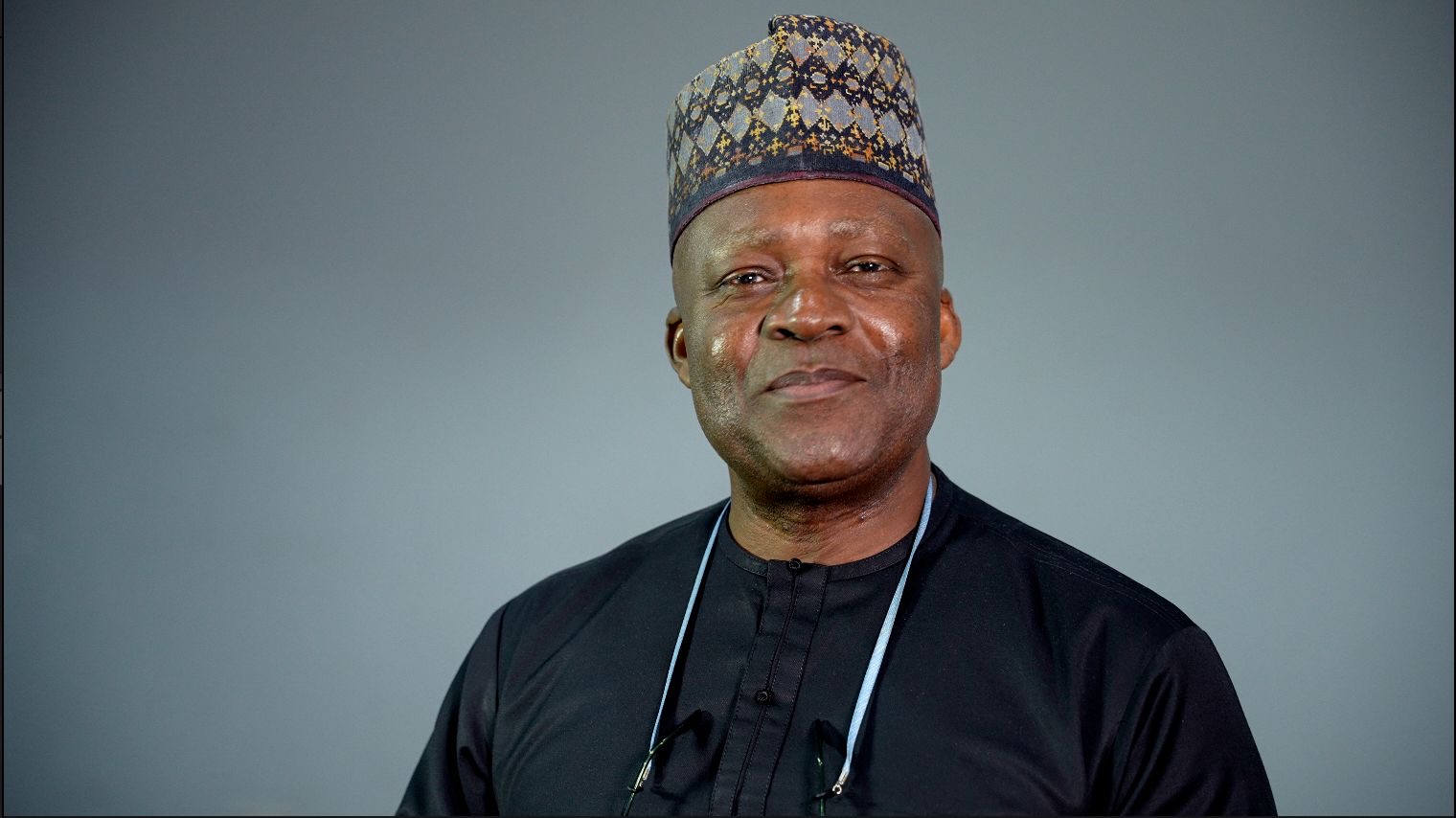
Former member of the House of Representatives, Sergius Ogun, has defended the payment of development levies by aspirants of the National Democratic Congress (NDC), disclosing that he personally paid ₦20 million to participate in the party’s senatorial nomination process.
Speaking during an interview on Symfoni TV, Ogun dismissed suggestions that aspirants were compelled to part with huge sums of money, insisting that the contributions were voluntary and aimed at helping the party prepare for the 2027 elections.
According to him, the NDC leadership introduced the levy as part of efforts to raise funds for election logistics, including the deployment and welfare of polling agents, campaign operations and party administration.
“We were told to pay some money as development levy. I think it is ahead of the election. They want to have the money for agents and basically for everything they need to do. I paid ₦20 million. I wasn’t forced,” he said.
Ogun explained that House of Assembly aspirants were expected to contribute ₦5 million, House of Representatives aspirants ₦10 million, while Senate aspirants paid ₦20 million.
He argued that opposition parties often struggle financially during elections and cited the experience of the Labour Party in 2023, where many election agents allegedly went unpaid.
“Those were the issues they had in Labour Party. There was no money. Some of the agents were not paid. Individuals like us volunteered and paid agents. I don’t think they want a repeat of that,” he said.
The former lawmaker acknowledged that some aspirants who eventually fail to secure tickets may feel aggrieved after making such contributions. However, he said party leaders had repeatedly appealed for understanding and assured participants that those who were unsuccessful would still be carried along in the party’s activities.
According to Ogun, NDC leaders told aspirants that a database of everyone who purchased nomination forms would be created and such individuals would be incorporated into campaign structures and future governance opportunities if the party succeeds at the polls.
The former federal legislator also addressed concerns over the delayed release of primary election results, admitting that many aspirants were still uncertain about their status.
He attributed the challenges to the rapid growth of the party following the entry of former Anambra State governor Peter Obi and other prominent politicians.
“NDC is a new party. Peter Obi joined in May. That drove up traffic into the party. To manage all of that within weeks, conduct congresses, screenings and primaries was a tough task,” he said.
Ogun revealed that the influx of aspirants overwhelmed the party’s administrative capacity, forcing officials to extend screening exercises beyond the original schedule.
He said the party initially planned to deploy digital voting systems but had to abandon the idea because of time constraints and provisions of the Electoral Act.
Responding to allegations that NDC founder and national leader, Seriake Dickson, was exercising excessive control over party affairs, Ogun described the former Bayelsa State governor as a strong and experienced political figure rather than a dictator.
According to him, Dickson’s prominence within the party stems largely from his role in building the platform and managing the challenges that accompanied its rapid expansion.
While acknowledging that some members have raised concerns about internal democracy, Ogun insisted that the party was still evolving and would eventually develop stronger institutions and structures.
He urged party members to remain focused on the larger objective of unseating the ruling All Progressives Congress in 2027, warning that internal disputes could undermine the opposition’s chances.
“We want to send the present government packing. To do that, we must have a united front. Everybody needs to calm down and focus on the campaigns and elections ahead,” he said.
The former lawmaker maintained that the development levy controversy should not be exaggerated, arguing that political parties require substantial resources to compete effectively and that members must be prepared to contribute to the growth of their platforms.


